
- Published on
- ·5 min read
Launching an App in 2026? Here's Your Checklist
- Authors

- Name
- Bert / DOTUNE
- Developer
Shipping an app looks like two steps from the outside: write the code, upload to the store. Anyone who's actually done it knows development is just one piece — developer accounts, payment processing, taxes, testing, marketing. Every one of these can turn into its own headache.
This is everything I actually dealt with launching an app in 2026.
Keep your passport, ID, proof of address, and bank card handy. You'll need them repeatedly. Save digital copies somewhere easy to reach.
Developer Accounts
Google Play Console
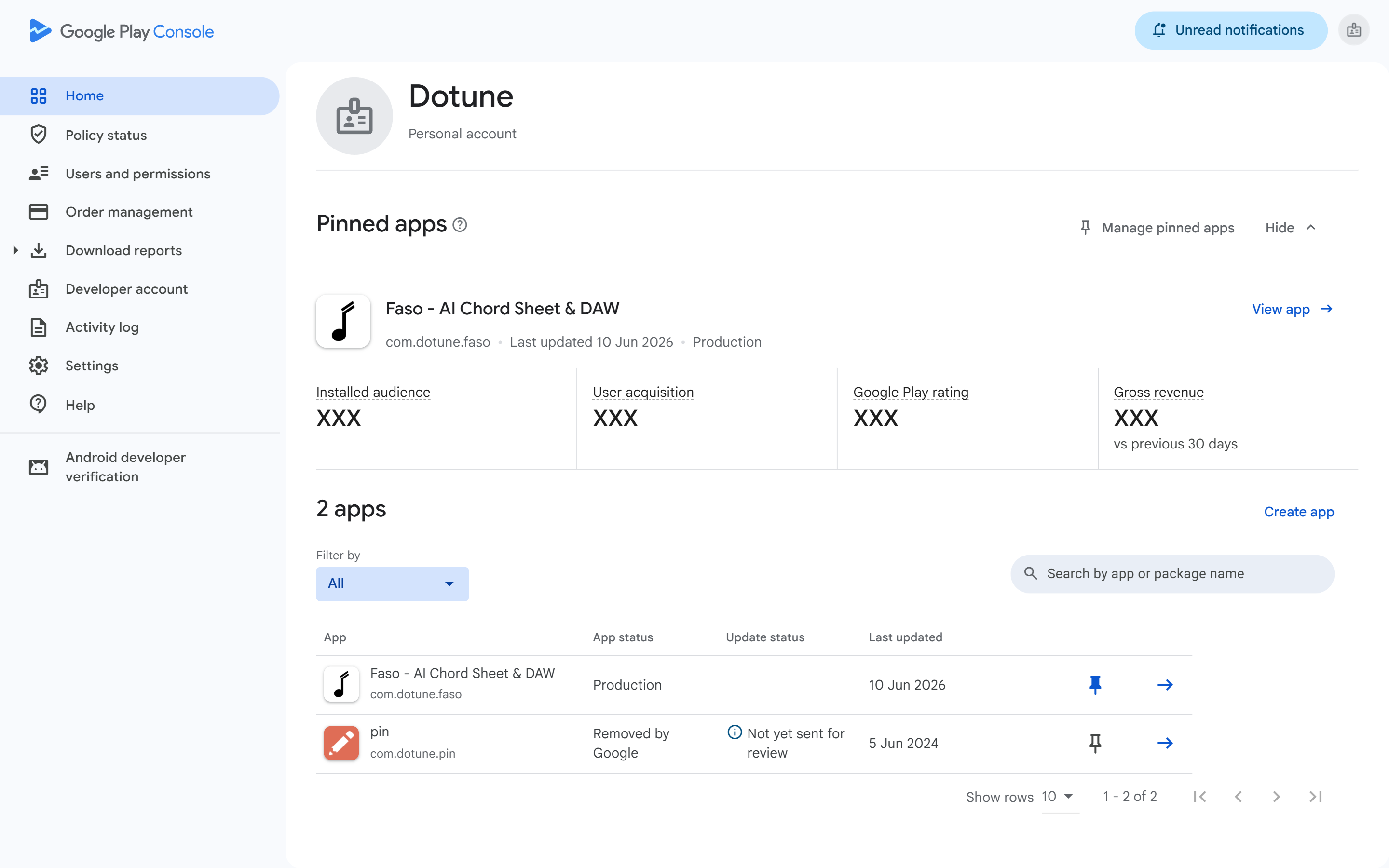
One-time $25 registration. Permanent. The process is straightforward, and it supports individual (non-business) accounts.
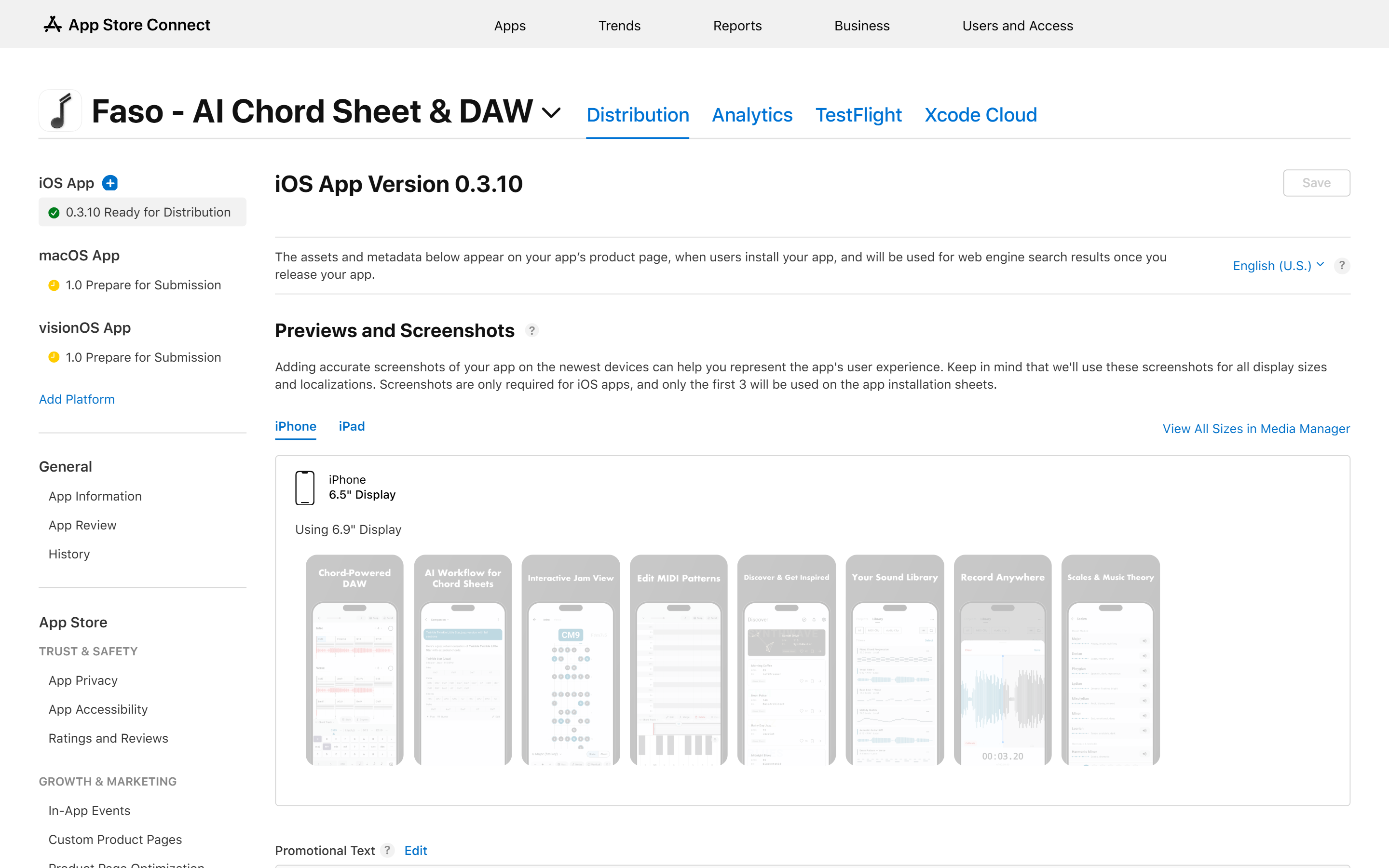
Apple App Store Connect
USD 99 per year. For developers in Taiwan, that's roughly NT$3,400 depending on the exchange rate. More paperwork than Google, but individual accounts are supported.
One thing to note: certain violations will get your account banned with no refund. Don't do the things you're not supposed to do.
Firebase Console
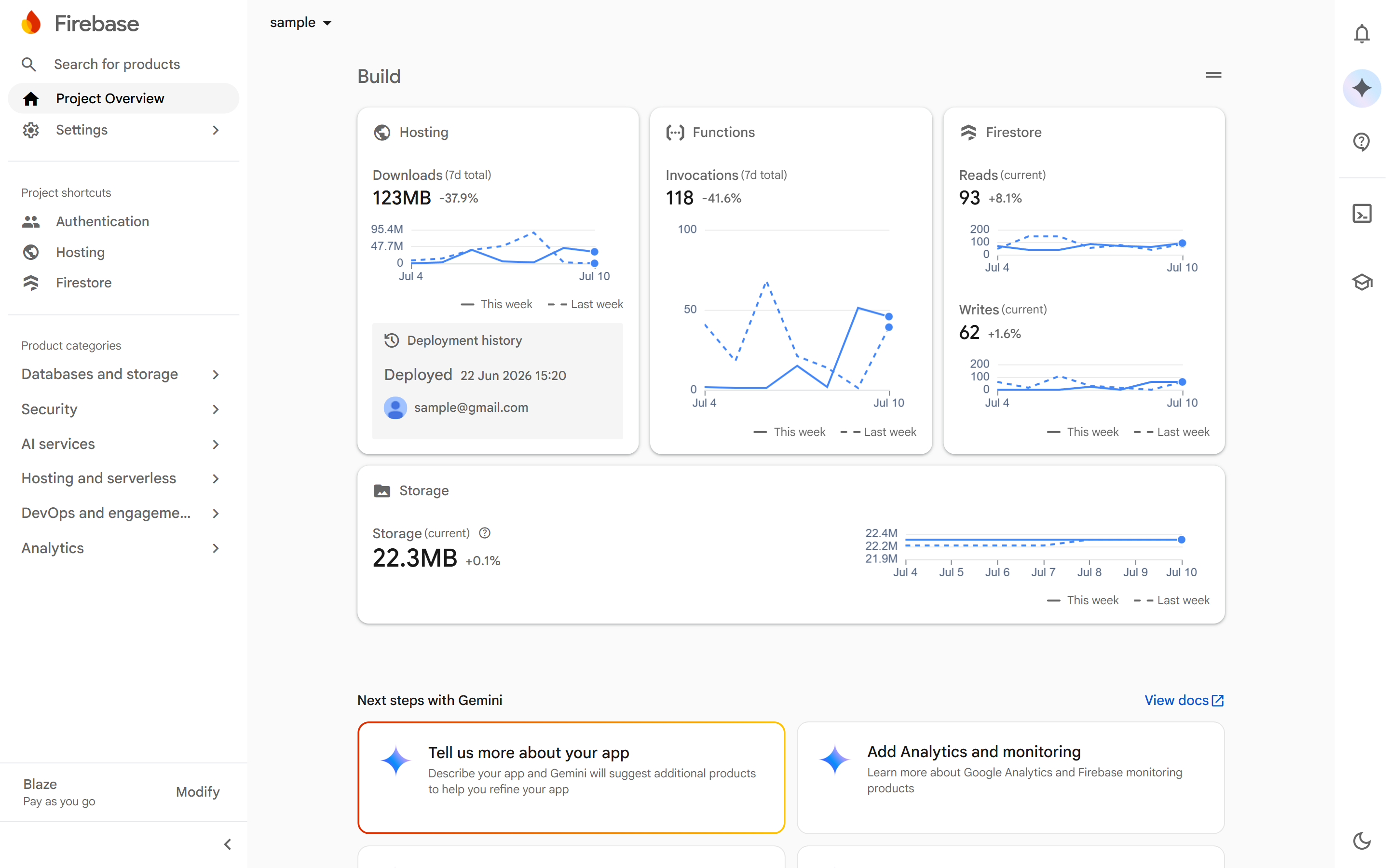
Even if your backend isn't on Firebase, if your app needs auth, Analytics, FCM (push notifications), or Crashlytics, you'll almost certainly end up in the Firebase Console. Modern frameworks like Flutter have mature Firebase support — integration isn't hard, but register your project and set up the iOS / Android / Web targets upfront. Doing it halfway through development is messy.
Payments and Taxes
Your bank account is step one. For developers outside the US, if your app earns money in the US or EU, there are tax implications. The US requires a W-8BEN form. The EU depends on bilateral agreements between your country and each member state.
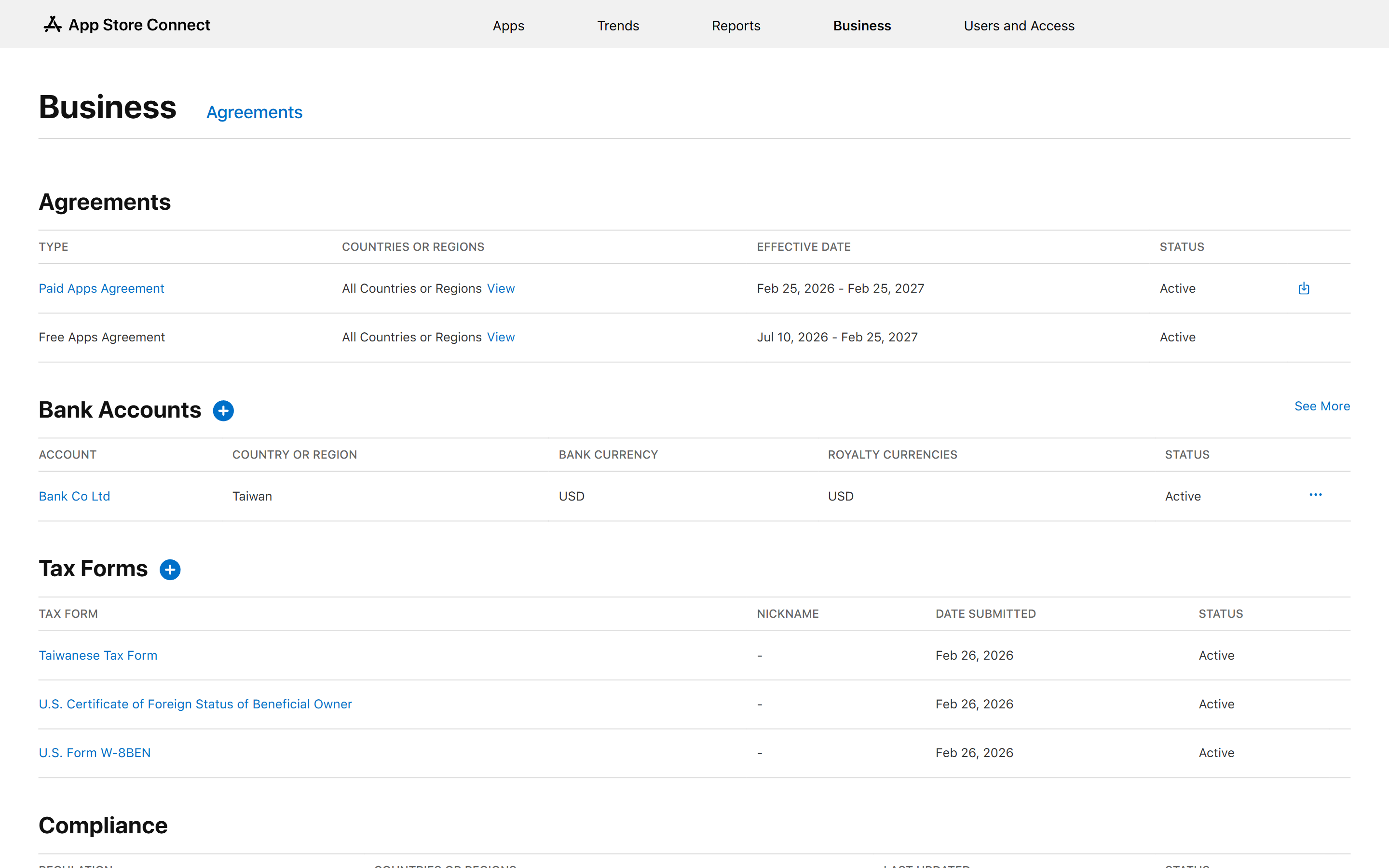
The good news: Apple and Google both walk you through the forms. Keep your documents organized and you'll be done in two to three days.
Extra Requirements for the EU
The Digital Services Act (DSA) isn't exactly friendly to indie devs. If your app is listed in the EU, you need a physical address on file. For individual developers, the address on your government ID usually works. Some devs rent a PO box to avoid publishing their home address.
Payments SDK (Optional)
If you're doing in-app purchases or subscriptions, your payment SDK choice is worth locking in early.
RevenueCat
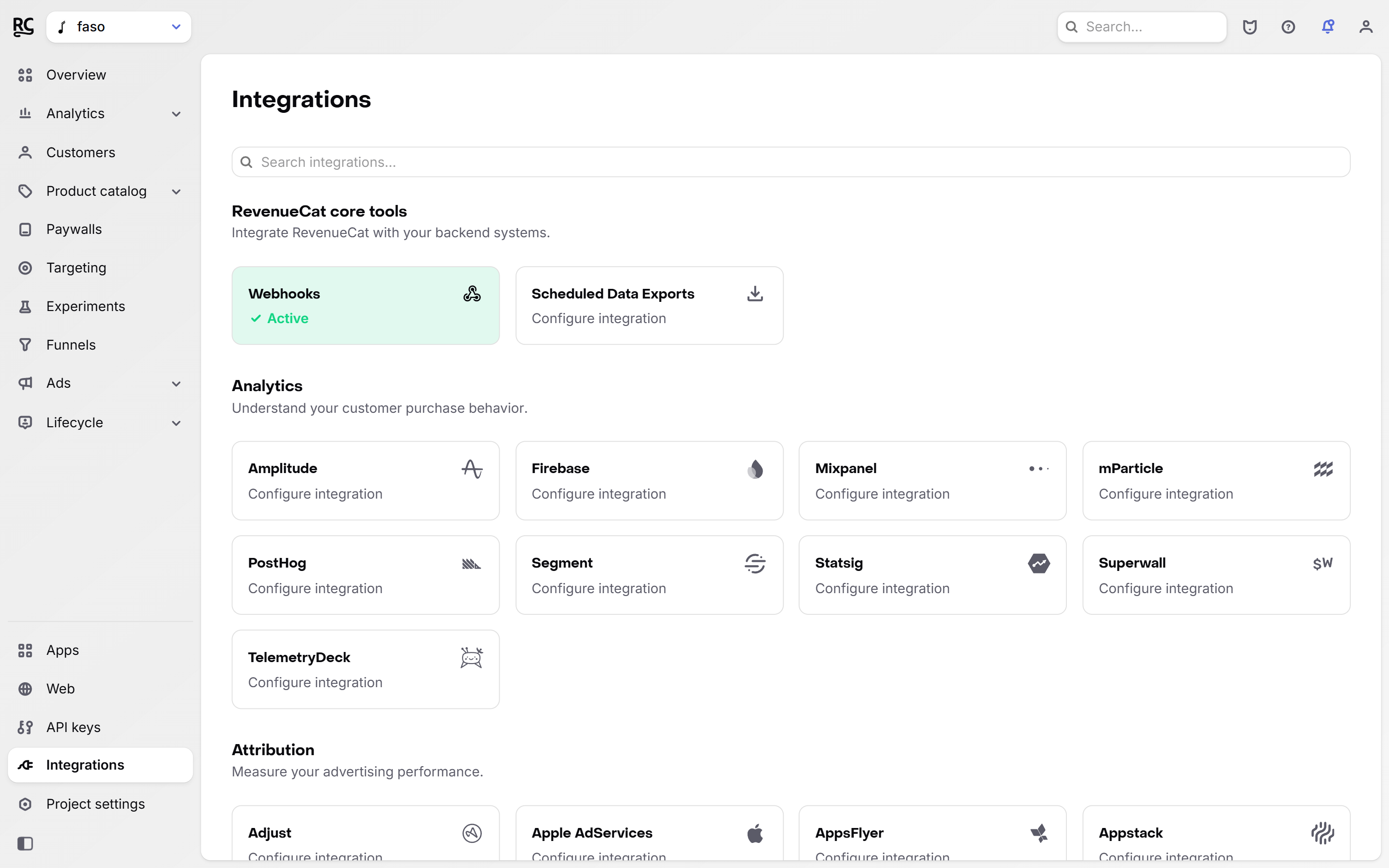
Built for indies and small teams. It's an abstraction layer over Apple IAP and Google Play Billing — you write one integration instead of wrestling with two native payment APIs. The real value: fast A/B price testing, flexible Paywall design changes without a new release. Not essential, but for a small team, the time saved pays for itself fast.
Stripe
If you need more complex payment logic (e.g., web-based card payments alongside in-app purchases), Stripe is more flexible but has a steeper integration curve. For most mobile apps, start with RevenueCat. Add Stripe only if you actually need it.
Advertising — The Big Three
A great app nobody knows about doesn't matter. In 2026, paid acquisition still runs through three main channels:

- Meta (Facebook / Instagram)
- Google Ads
- TikTok
Each platform has different audiences and creative requirements. Meta's tracking took the hardest hit from iOS privacy changes, but it still has the broadest reach. Google Ads remains strong for intent-based keyword search. TikTok's algorithm is surprisingly friendly to new accounts — with the right content strategy, organic reach can outperform paid.
Community and Website
Ads bring people in. Community and your website keep them around.
Discord: Your fastest feedback channel. In the early days, you'll have bugs and feature requests pouring in. Discord lets you talk directly to early users — those conversations are worth more than any analytics dashboard.
Website: GitHub Pages or any static host (Cloudflare Pages, Vercel) can handle a product landing page. The priority is SEO — your app name, core features, and download links need to be findable on Google.
Newsletter: Throw a subscribe form on your site. Costs almost nothing, but pre-launch buzz starts here. Combined with social ads, you can collect a genuinely interested audience — and possibly test willingness to pay before you even launch. Android's closed testing requirement also needs real users who actually care about your product.
The Final Hurdle
Android: Closed Testing
Google Play now requires a minimum 30-person closed test before publishing a new app. Plan ahead. Thirty testers don't materialize overnight. Start recruiting during late-stage development — Discord, friends, colleagues all count, but the key is they actually open your app and give feedback, not just exist as headcount.
iOS: App Store Review
Apple's review is a different challenge. In 2026, the scrutiny is on privacy disclosures, data collection transparency, and whether your IAP flow follows the rules. Unlike Android, there's no headcount threshold — but the review cycles and back-and-forth communication can be harder to predict than finding 30 testers.
I wrote a full guide on App Store review survival and store listing optimization here.
That's the full journey from zero to live. If you're preparing to launch, I hope this checklist saves you some of the detours I took. If you need deeper help — frontend, backend, localization, global deployment, store page optimization — we handle all of these daily. Reach out anytime.